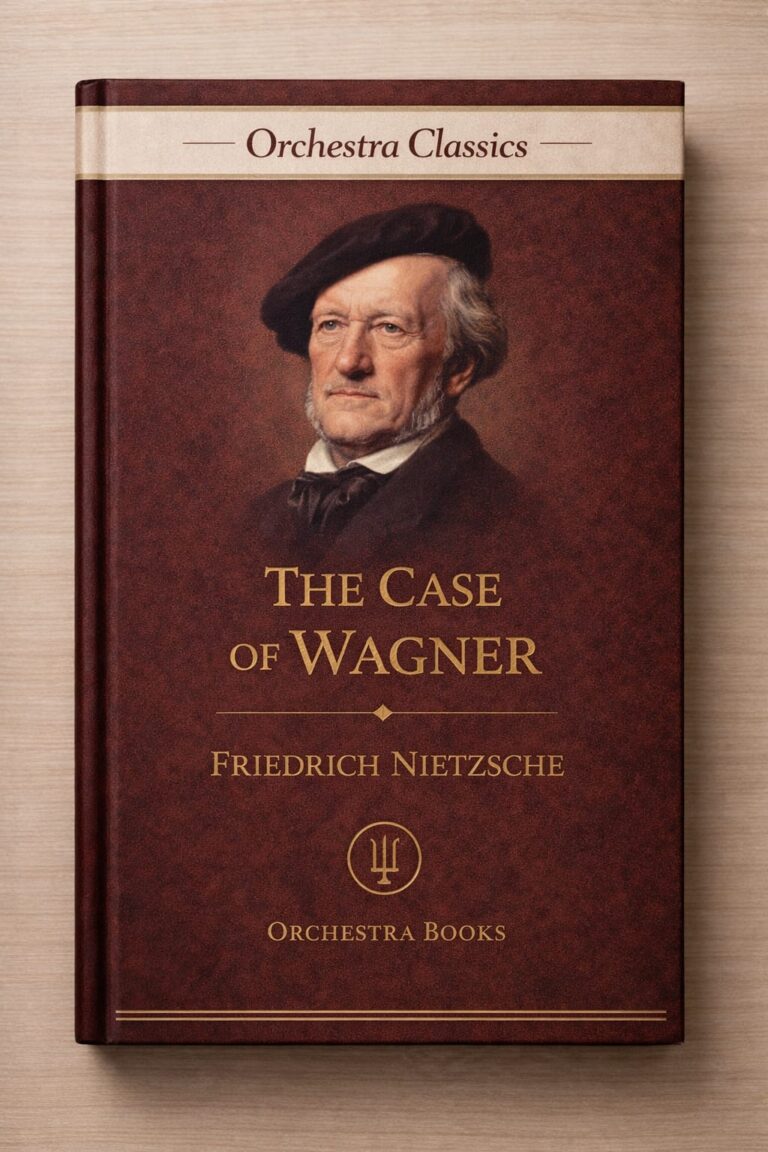
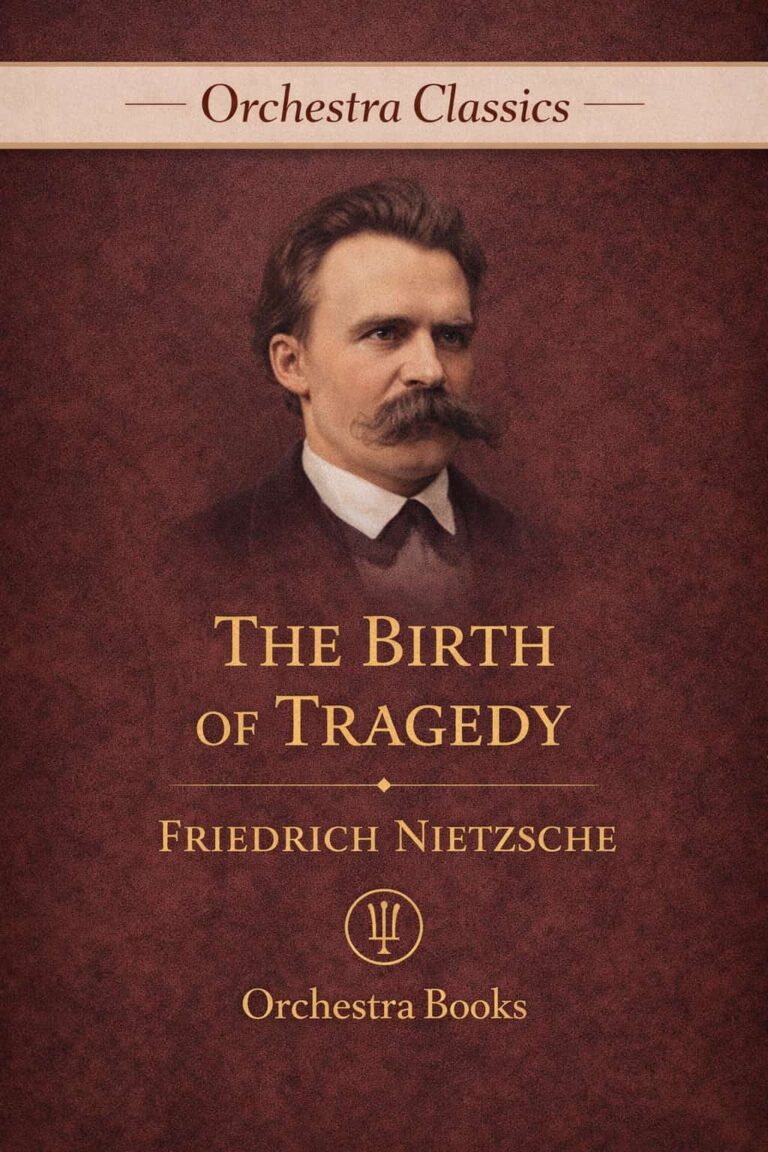
Friedrich Wilhelm Nietzsche was a German philosopher and writer who began as a classical philologist before turning early in his academic life toward philosophy. Appointed Professor of Classical Philology at the University of Basel in 1869 at the age of 24, he resigned in 1879 after years of ill health. He then lived as an independent writer, often in solitude and financial insecurity, moving between Switzerland, Italy, and southern France in search of climates that might ease his condition. During the following decade he completed much of his central writing. In 1889 he suffered a neurological collapse, followed by paralysis, vascular dementia, and the loss of his mental faculties. His work ranges across poetry, cultural criticism, and philosophical essays, marked by aphorism, irony, and enduring intellectual provocation.
Reading focus
Why read
Nietzsche matters because his works have generated both extensive scholarship and lasting popular interest. His philosophy reshaped debates about truth, morality, religion, nihilism, culture, and the human subject, while later concepts such as the Übermensch, the transvaluation of values, and eternal return became widely influential. After distorted editions linked him to fascism and Nazism, twentieth-century scholars challenged that interpretation, helping restore his work to broad philosophical and cultural significance.
Themes
Nietzsche’s recurring concerns include perspectivism, the genealogy of Christian morality, master–slave morality, the affirmation of life after the weakening of religion, passive nihilism, Apollonian and Dionysian duality, will-to-power, tragedy, culture, aesthetics, philology, history, music, religion, science, the Übermensch, the transvaluation of values, and eternal return.
Your privacy choices
We use essential cookies to run the bookshop. Optional cookies are used only with your permission. You can change your choice at any time. Read our cookie policy.