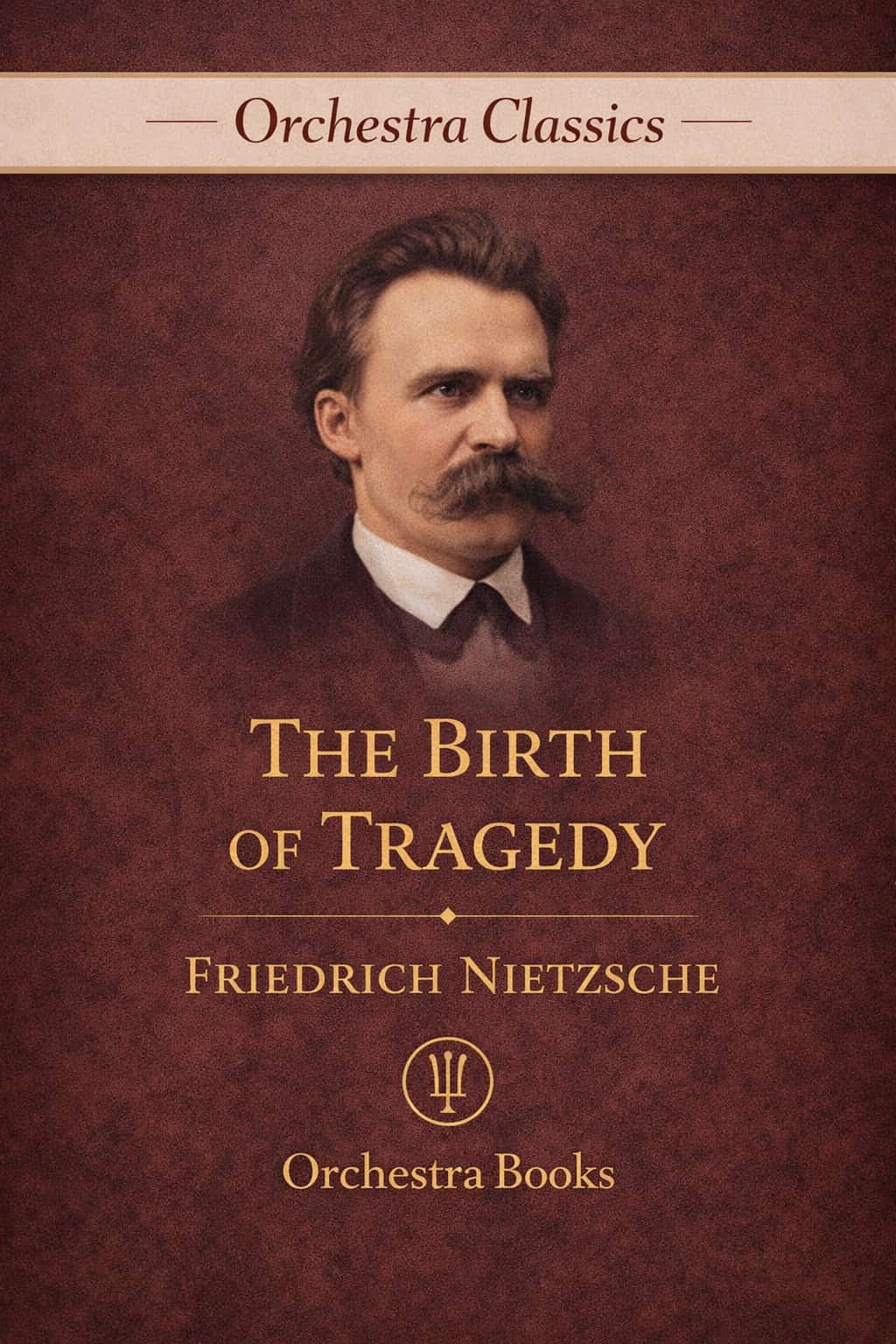
The Birth of Tragedy
$42.00
- Packed carefully for safe delivery
- Dispatched from the UK
- Suitable for readers, libraries and institutions
About this book
In 'The Birth of Tragedy', Nietzsche explores the origins of Greek tragedy, positing a dichotomy between the Apollonian and Dionysian elements in art. Arguing that music serves as a primal force in the human experience, he delves into the interplay of joy and suffering inherent in life. This seminal work examines how tragedy embodies the tension between order and chaos, ultimately reflecting on the existential struggles faced by humanity. The later edition includes Nietzsche's 'An Attempt at Self-Criticism', where he reflects on his theories and their implications.
Book details
Catalogue information
Description
About this book
In 'The Birth of Tragedy', Nietzsche explores the origins of Greek tragedy, positing a dichotomy between the Apollonian and Dionysian elements in art. Arguing that music serves as a primal force in the human experience, he delves into the interplay of joy and suffering inherent in life. This seminal work examines how tragedy embodies the tension between order and chaos, ultimately reflecting on the existential struggles faced by humanity. The later edition includes Nietzsche's 'An Attempt at Self-Criticism', where he reflects on his theories and their implications.
Context
'The Birth of Tragedy' emerged during a pivotal time in Western philosophy, bridging ancient Greek culture and modern existential thought. Nietzsche's reflections on art and human experience resonate through various disciplines, influencing literature, psychology, and the arts.
About the author
Friedrich Nietzsche, a profound German philosopher, began his career as a classicist before embarking on a journey that would reshape philosophical discourse. Appointed Professor of Classical Philology at just 24, his tenure was short-lived due to health concerns. Nietzsche's later years were marked by solitude and struggle, yet he produced influential works that continue to inspire and provoke debate. His life ended in tragic decline, but his ideas have left an indelible mark on modern thought.