Skip to content
Independent publishing, bookselling and distribution from London. UK & international delivery

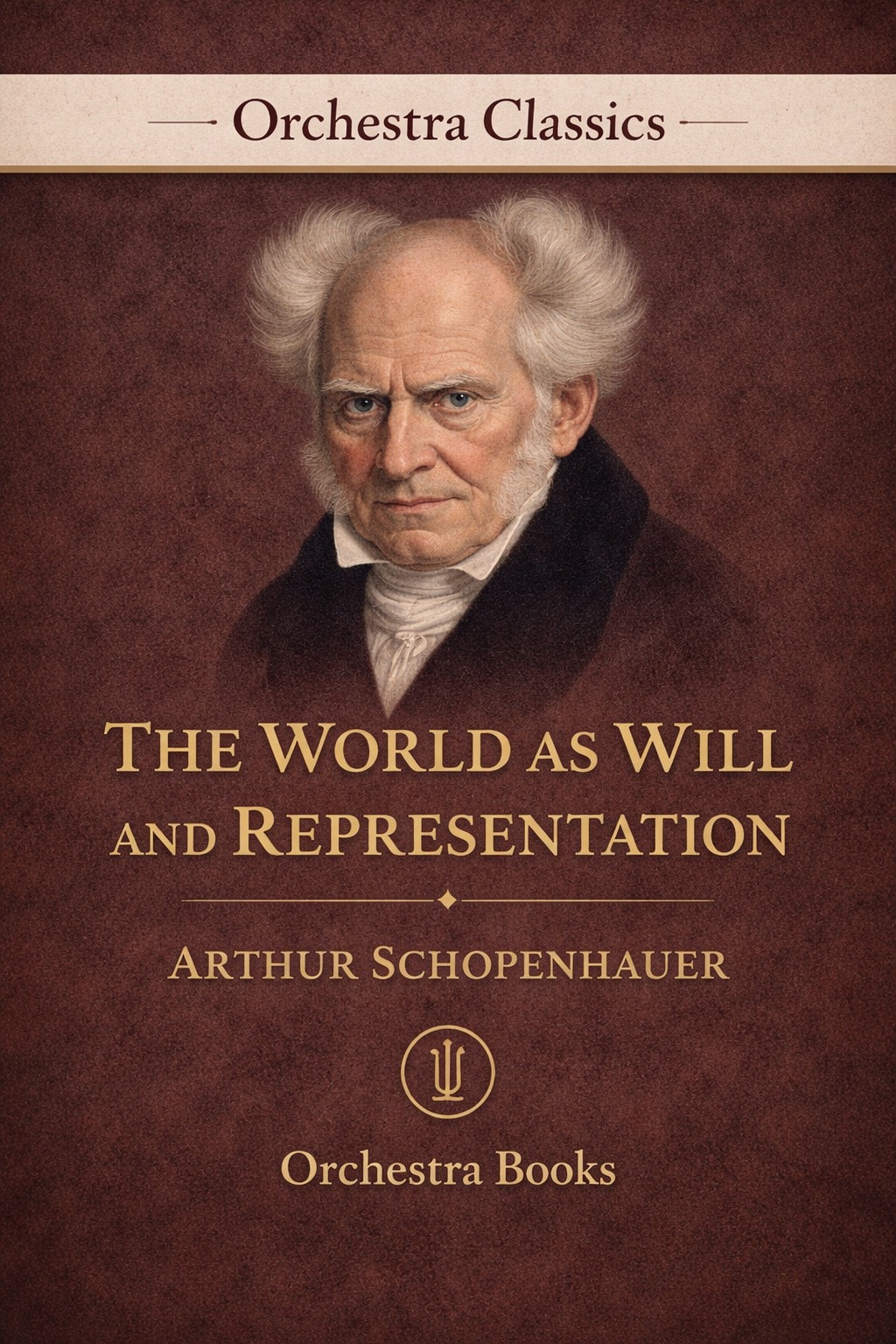
The World as Will and Representation

By Arthur Schopenhauer

Dover Publications · 1966

The World as Will and Representation sets out Arthur Schopenhauer’s philosophy through what he described as a single thought viewed from several angles. Across four books on knowledge, being, art and ethics, followed by a sustained criticism of Kant, it begins from Kant’s transcendental idealism and argues that the experienced world exists as representation: objects in space and time, linked by causality, are dependent on a knowing subject. Against Kant’s unknowable thing-in-itself, Schopenhauer identifies the inner essence of all things as will: blind, unconscious, aimless striving, outside space and time. The visible world is the will’s objectification. Aesthetic experience offers brief release from bondage to will, while lasting redemption is said to require ascetic denial of the will to life.

Publisher
Dover Publications
Publication date
1 Jun 1966
Language
English
Print length
576
Read the full description

About the book

Description

The World as Will and Representation sets out Arthur Schopenhauer’s philosophy through what he described as a single thought viewed from several angles. Across four books on knowledge, being, art and ethics, followed by a sustained criticism of Kant, it begins from Kant’s transcendental idealism and argues that the experienced world exists as representation: objects in space and time, linked by causality, are dependent on a knowing subject. Against Kant’s unknowable thing-in-itself, Schopenhauer identifies the inner essence of all things as will: blind, unconscious, aimless striving, outside space and time. The visible world is the will’s objectification. Aesthetic experience offers brief release from bondage to will, while lasting redemption is said to require ascetic denial of the will to life.

First published in late 1818 with 1819 on the title page, the book appeared in a revised two-volume edition in 1844 and an expanded third edition in 1859. Schopenhauer continued to refine its ideas without fundamental alteration, although the early editions attracted little attention in a period dominated by German idealism.