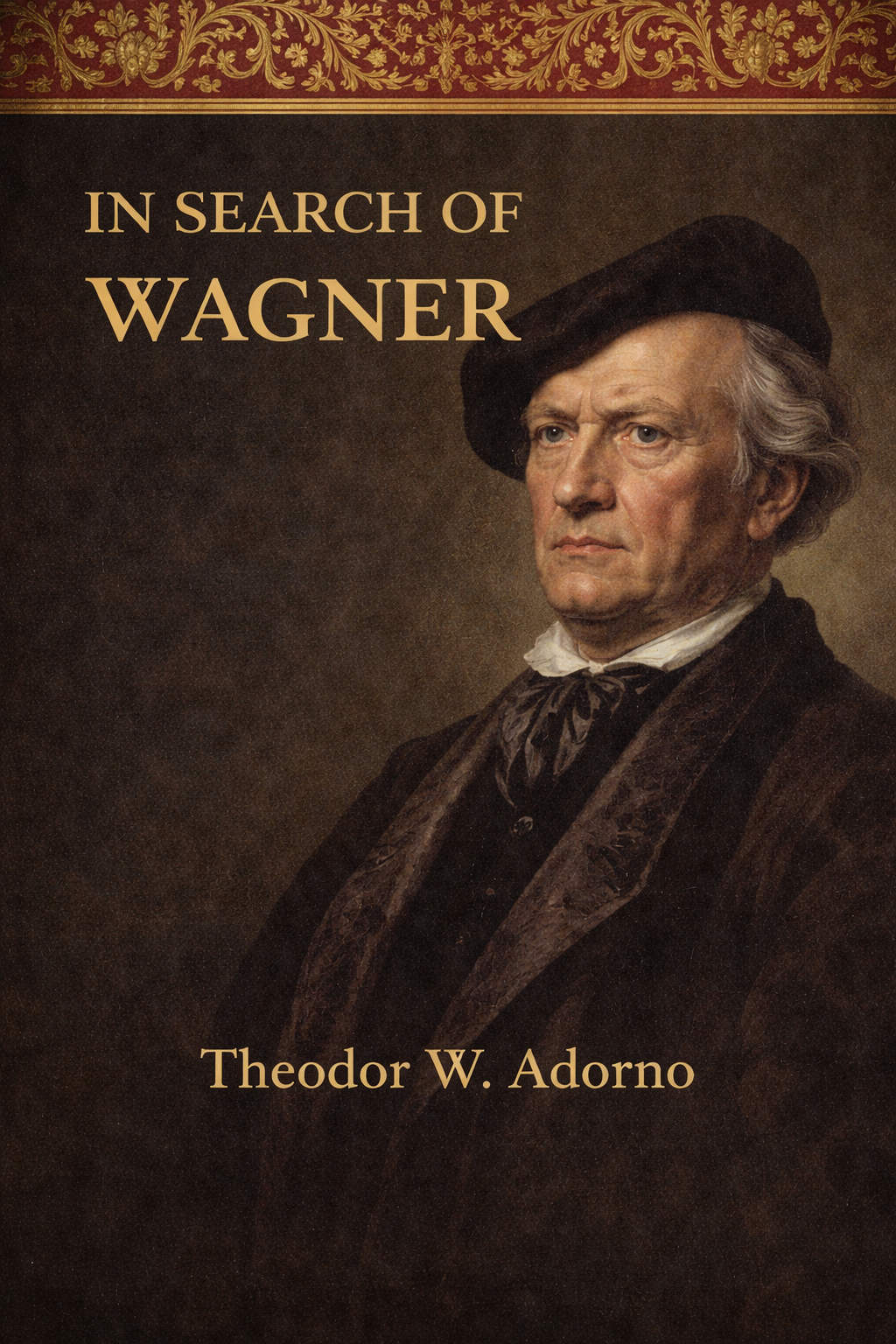
In Search of Wagner
$42.00
- Packed carefully for safe delivery
- Dispatched from the UK
- Suitable for readers, libraries and institutions
About this book
In Search of Wagner presents a profound exploration of the complexities surrounding the composer Richard Wagner. The book delves into his controversial legacy, examining the intersections of his music with social, cultural, and political ideologies. Through a critical lens, it engages with themes of nationalism, anti-Semitism, and the allure of Wagner’s art, challenging readers to reconsider his impact on both music and society. A nuanced reflection on the interplay of art and ideology, this work invites a re-evaluation of Wagner’s relevance in the modern world.
Book details
Catalogue information
Description
About this book
In Search of Wagner presents a profound exploration of the complexities surrounding the composer Richard Wagner. The book delves into his controversial legacy, examining the intersections of his music with social, cultural, and political ideologies. Through a critical lens, it engages with themes of nationalism, anti-Semitism, and the allure of Wagner’s art, challenging readers to reconsider his impact on both music and society. A nuanced reflection on the interplay of art and ideology, this work invites a re-evaluation of Wagner’s relevance in the modern world.
Context
In Search of Wagner emerges from the tradition of critical theory, deeply influenced by Adorno's philosophical inquiries into art and society. This work addresses the challenges of reconciling Wagner's artistic genius with his controversial political affiliations within a broader cultural context.
About the author
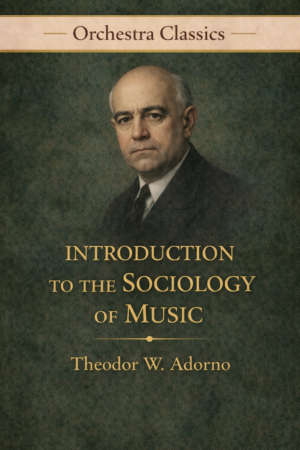
Theodor W. Adorno, a prominent German philosopher and cultural critic, significantly shaped 20th-century thought. As a key figure in the Frankfurt School, Adorno's critiques spanned philosophy, music, and society. His works, such as Dialectic of Enlightenment and Negative Dialectics, aim to confront the complexities of modern existence and the culture industry. His insights into art and ideology continue to resonate today, making his writings essential for understanding contemporary cultural discourse.